
OPEN-ASIA brings together 9 universities across 5 countries to promote Open Science principles, build capacity, and bridge the digital divide in higher education.
OPEN ASIA employs a comprehensive strategy addressing policy, skills, infrastructure, and culture to drive systemic Open Science adoption.
Reforming institutional and national policies through legislative updates aligned with Open Science principles and international standards.
Building researcher competencies through five specialised training courses covering essential Open Science practices and FAIR data principles.
Strengthening regional cooperation between Asian and European institutions aligned with European Open Science standards.
Identifying and overcoming barriers to researcher engagement with Open Science through local OS-Hubs at each partner institution.
Catalysing institutional-level transformation in how academic communities perceive and practice Open Science.
Disseminating successful Open Science models from European partners to support adoption in India and Malaysia.
The project is organised into six interconnected work packages that drive delivery across management, quality, research, infrastructure, policy, and citizen engagement.
Overall coordination, reporting, and consortium governance led by Universiti Malaya.
Internal and external quality assurance, monitoring, and evaluation of project deliverables.
Boosting inclusive, responsible and collaborative Open Science ecosystems. Led by Universiti Malaya.
Developing university Open Science infrastructure and awareness programmes. Led by NMIMS.
Integrating Open Science into university policies and national regulatory frameworks.
Involving and engaging civil society in the research process through inclusive, responsible collaborative initiatives.
Higher education institutions in India and Malaysia face significant barriers to Open Science adoption that this project addresses.
Remote and underserved regions lack access to research infrastructure, digital tools, and Open Science resources, widening inequality in knowledge production.
Absence of coordinated institutional and national policies supporting Open Access, Open Data, and FAIR principles hinders systematic OS adoption.
Traditional academic reward systems and lack of awareness create resistance to sharing research data, adopting open practices, and engaging citizens in science.
OPEN ASIA addresses challenges across national, institutional, and individual levels to enhance higher education competitiveness and research excellence in India and Malaysia.
Increase awareness and understanding of Open Science principles among key stakeholders in India and Malaysia through public events, media engagement, and building sustainable national and institutional consensus on open science principles.
Develop human capacity by embedding open science courses into Partner Country Higher Education Institutions' formal curricula, with five OS training courses covering various skills essential for OS practices.
Implement institutional and national-level OS infrastructure supporting Open Access, Open Data, Open Evaluation, and Open Education aligned with FAIR (Findable, Accessible, Interoperable, Reusable) principles.
Adjust legislative frameworks to advance national and institutional guidelines, policies, and incentives related to OS, promoting research transparency, ethics, and healthy competition.
Establish SCIENCE SHOP 2.0 to involve and engage civil society in the whole science process through inclusive and responsible research initiatives, bridging the gap between academia and communities.
Specialised courses embedded into HEI curricula covering FAIR data, Open Access publishing, Research Data Management, and more.
Institutional and national Open Science policies developed and adopted at each partner university in India and Malaysia.
Comprehensive OS infrastructure development plans including institutional repositories, data platforms, and DMP tools.
Regulations and Handbook for citizen science engagement, with operational Science Shops at partner institutions.
Support centres at each partner institution to identify barriers and provide guidance for Open Science adoption.
Comprehensive Open Science country profiles for India and Malaysia documenting the current landscape and pathways forward.
A consortium of 9 institutions across 5 countries — bringing together Asian and European expertise to advance Open Science.
Malaysia's #1 university (QS #58). Leads WP3 (OS Ecosystem) & WP: Dissemination. UMOS since 2018, RDM Policy 2021, UM Dataverse. UNESCO OS Focal Point.

MyMOHES 5-star. 999-acre seafront campus. Institut Marin Borneo (HICoE). UMSIR repository, OPENBOOK@UMS OER platform. UI GreenMetric top 5% globally.
Malaysia's 8th public university. CDO Office driving Open Science and digital transformation. UNIMAS Dataverse and institutional repository.

NAAC A++ (CGPA 3.67). 17 schools, 8 campuses. Leads WP4: OS Awareness & Capacity Building. Developing institutional OS portal, FAIR data practices, Science Shop 2.0.
NAAC A++ (CGPA 3.68). NIRF Engineering #29. ABET accredited. TuDR repository. Centres of Excellence with Virginia Tech & Tel Aviv University.
Current state of Open Science infrastructure and policy adoption across the four researched partner institutions.
| Capability | TIET (India) | NMIMS (India) | UM (Malaysia) | UMS (Malaysia) |
|---|---|---|---|---|
| Repository | TuDR (DSpace, ETDs only) | Shodhganga participation | UMRR (EPrints) + Dataverse | UMSIR (EPrints, OAI-PMH) |
| OA Policy | None formal | In development | RDM Policy (2021) | No formal mandate |
| OS Portal | None | Under development | openscience.um.edu.my | None |
| OER Platform | None | In development | UM eJournal | OPENBOOK@UMS |
| Data Repository | None | In development | UM Dataverse (2023) | None |
| Maturity | Early stage | Early-mid stage | Advanced | Mid stage |
A comprehensive record of consortium meetings, open science forums, and capacity building workshops across India, Malaysia, and Europe.
Project launch. First Consortium Meeting discussed deliverables, milestones, and deadlines. OSF1 themed "Unlocking Knowledge: Forum on Open Science" featured keynotes on open access publishing and national policy development. MOU signed with Tampere University.
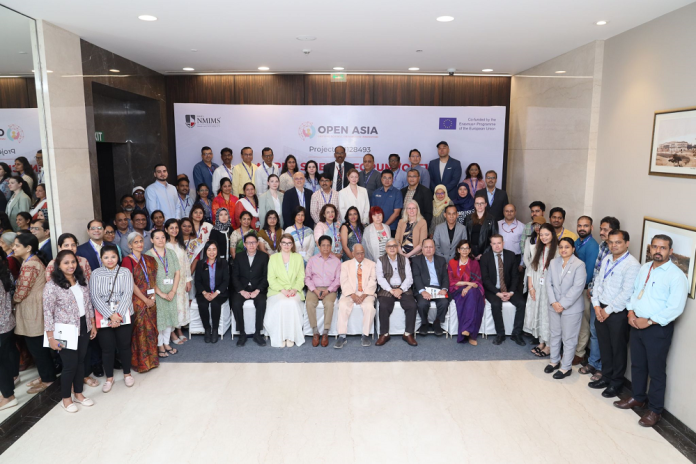
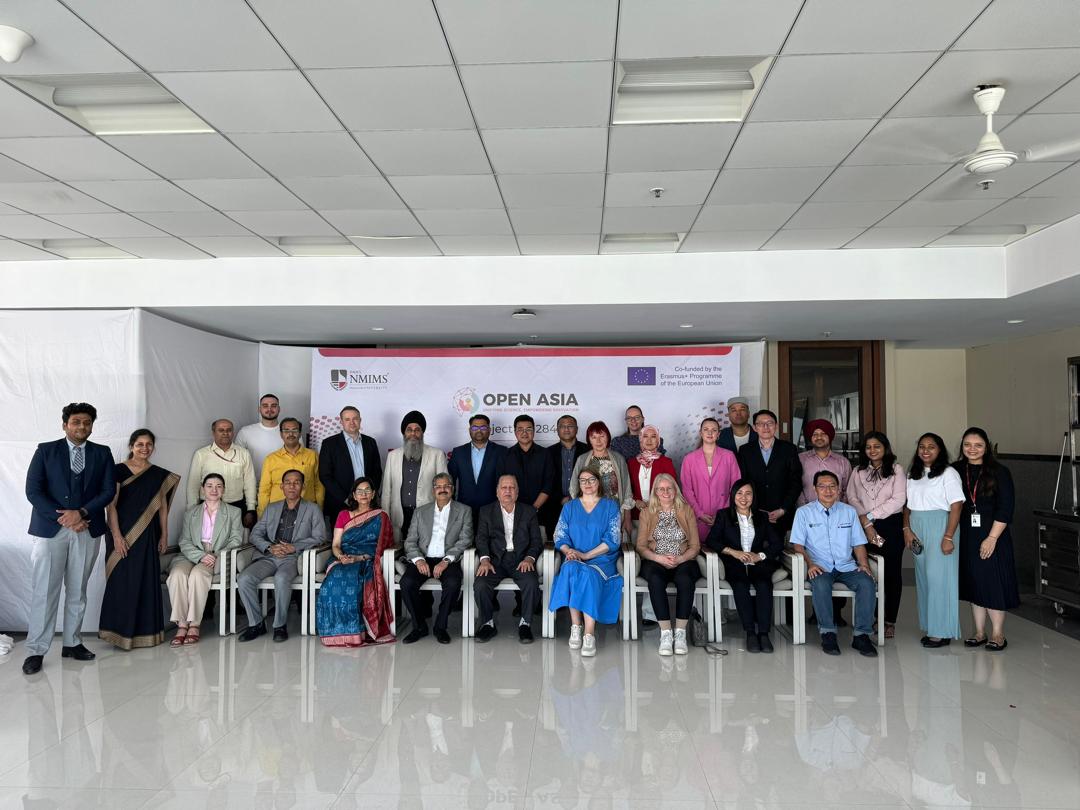


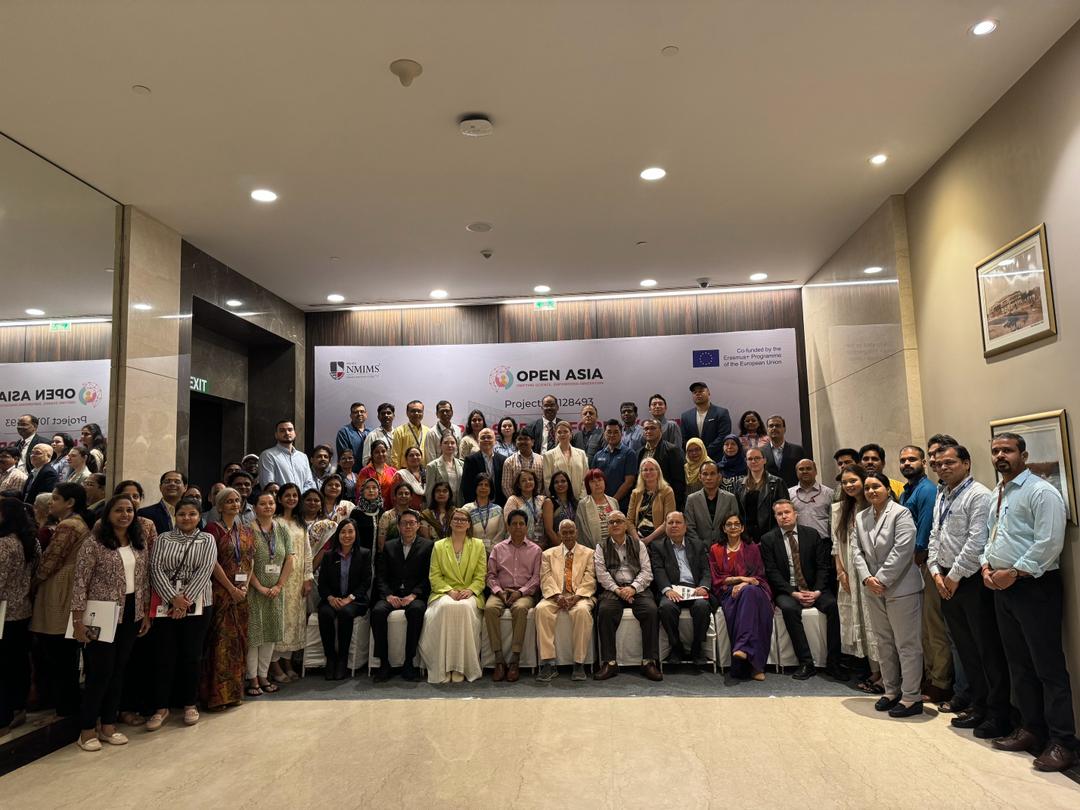
Malaysian and Indian delegates learned best practices of Open Science implementation in Europe, including infrastructure, policy frameworks, and institutional strategies.
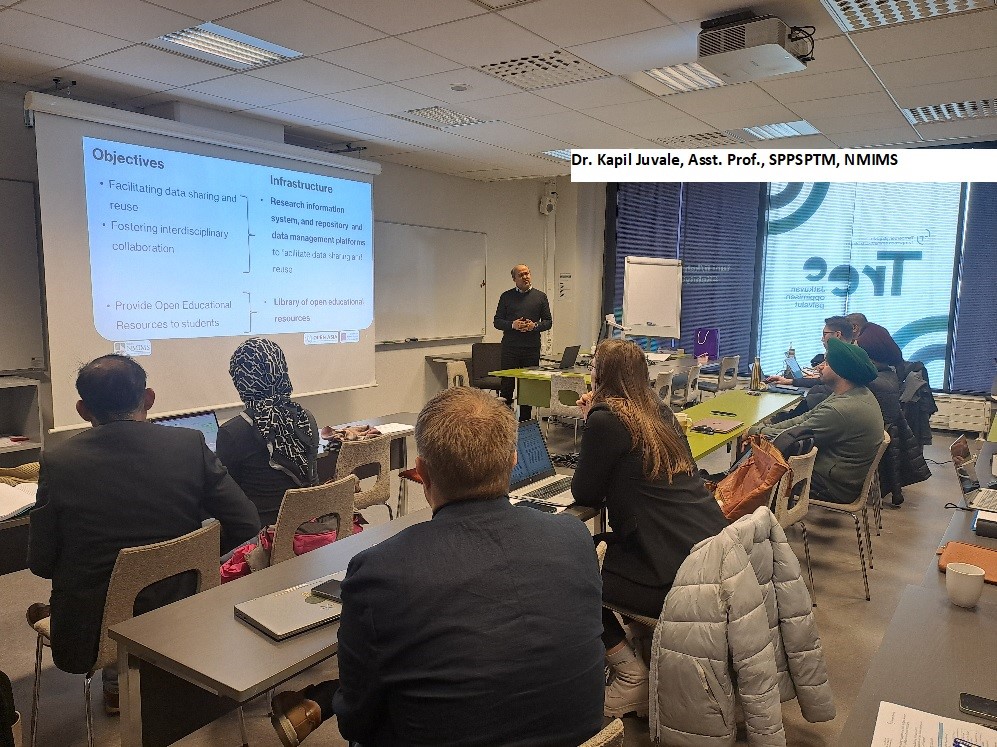
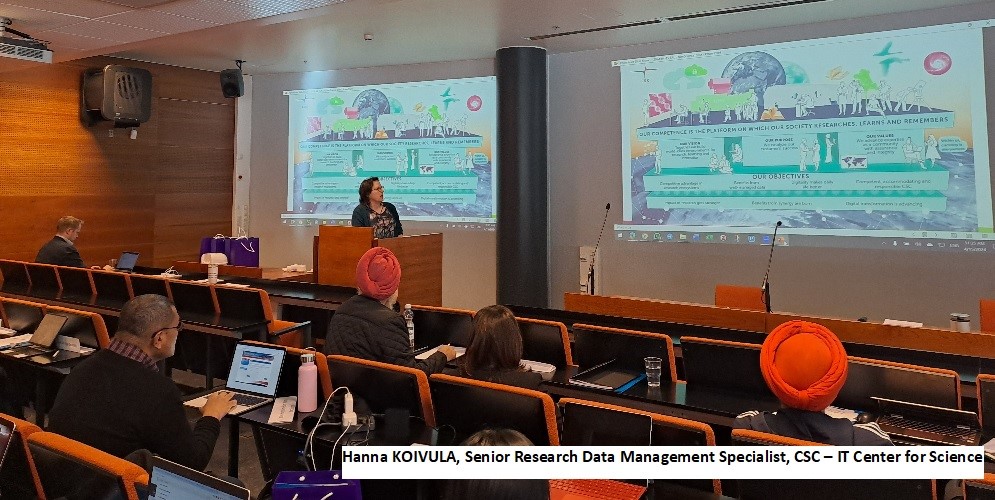
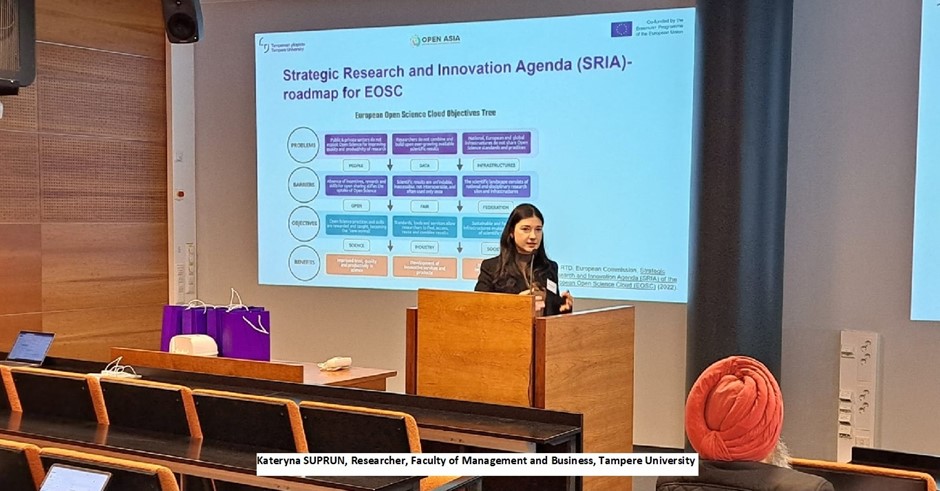
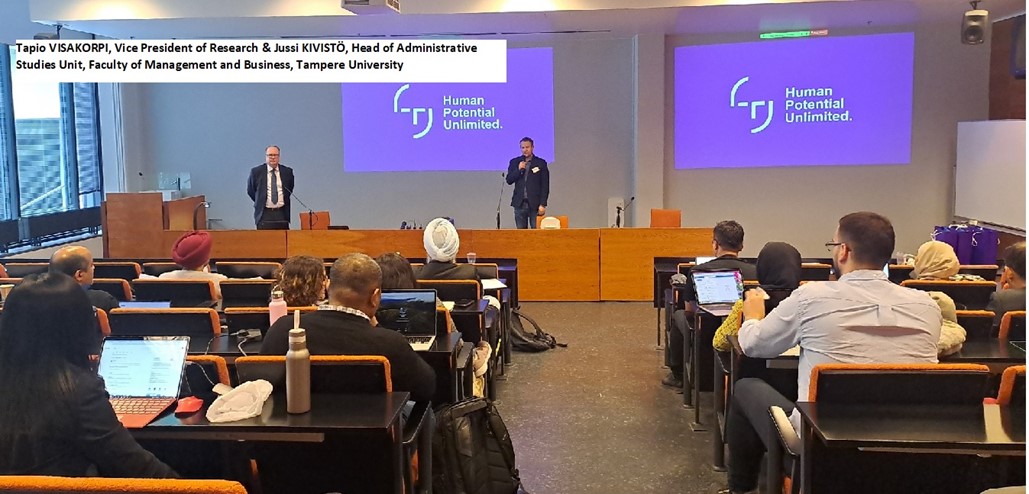
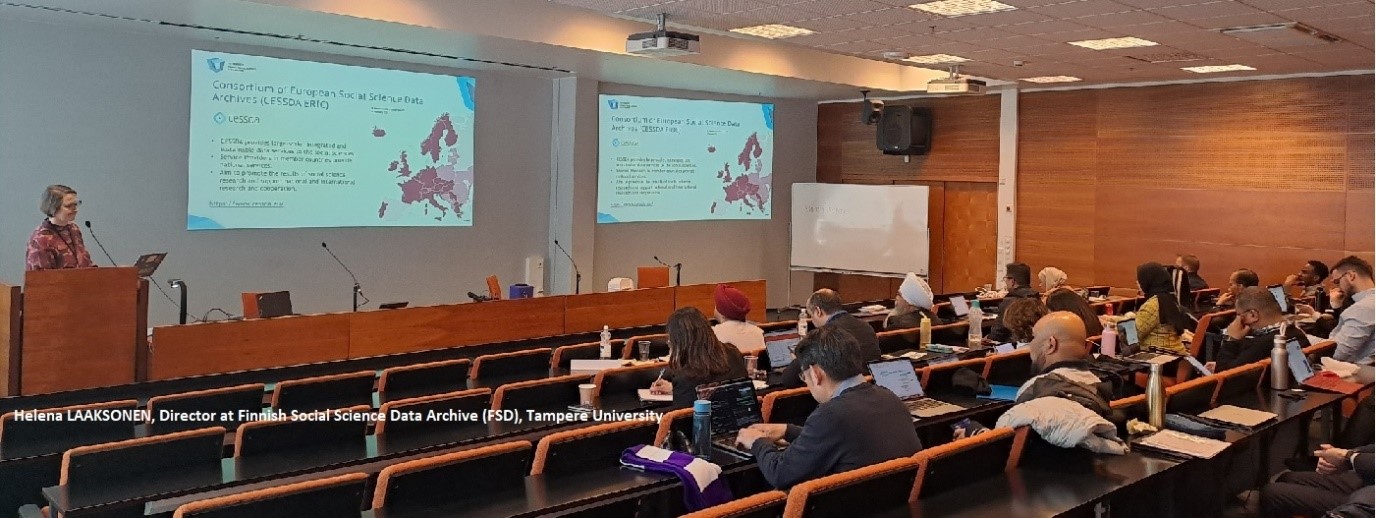
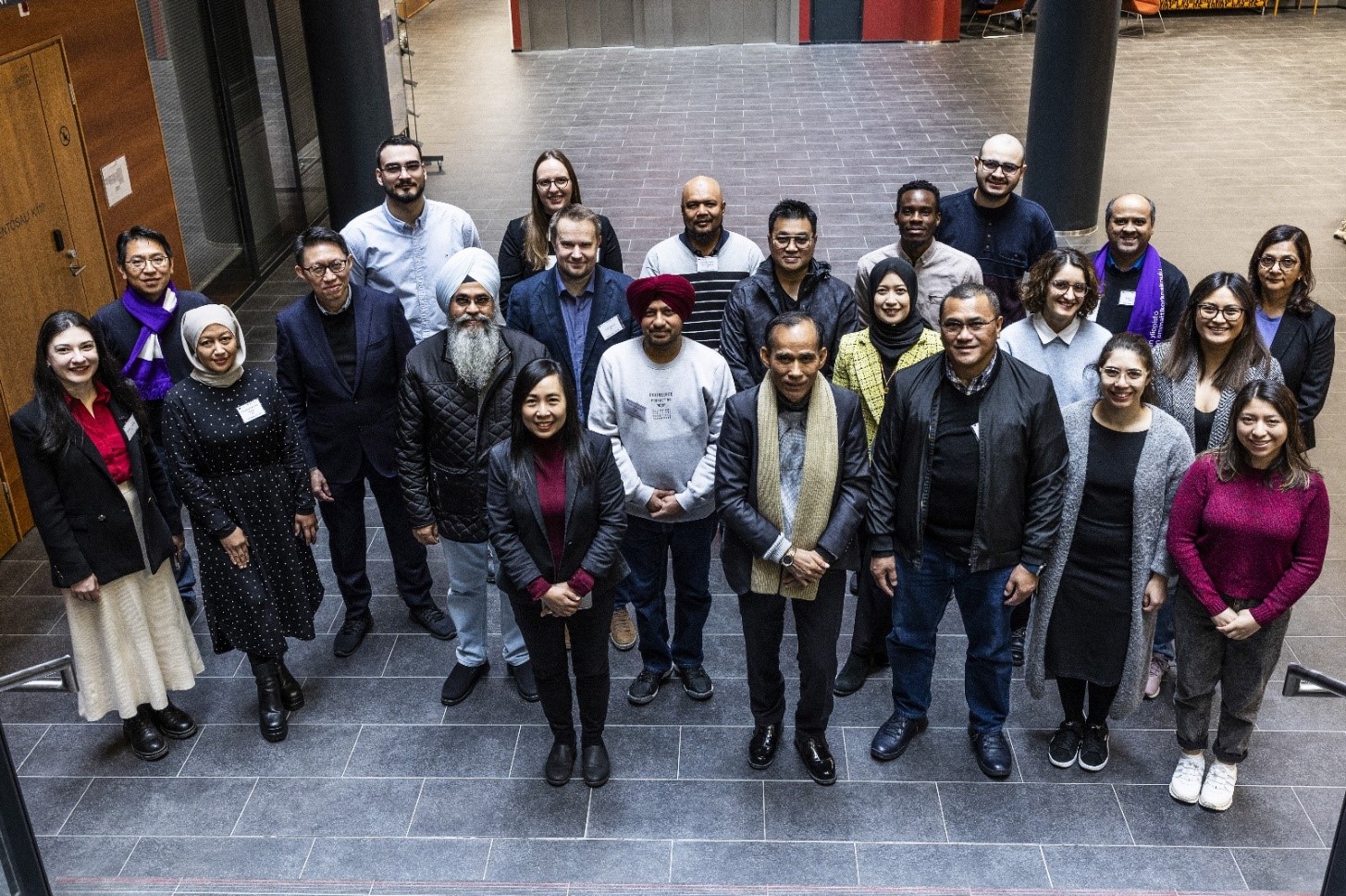
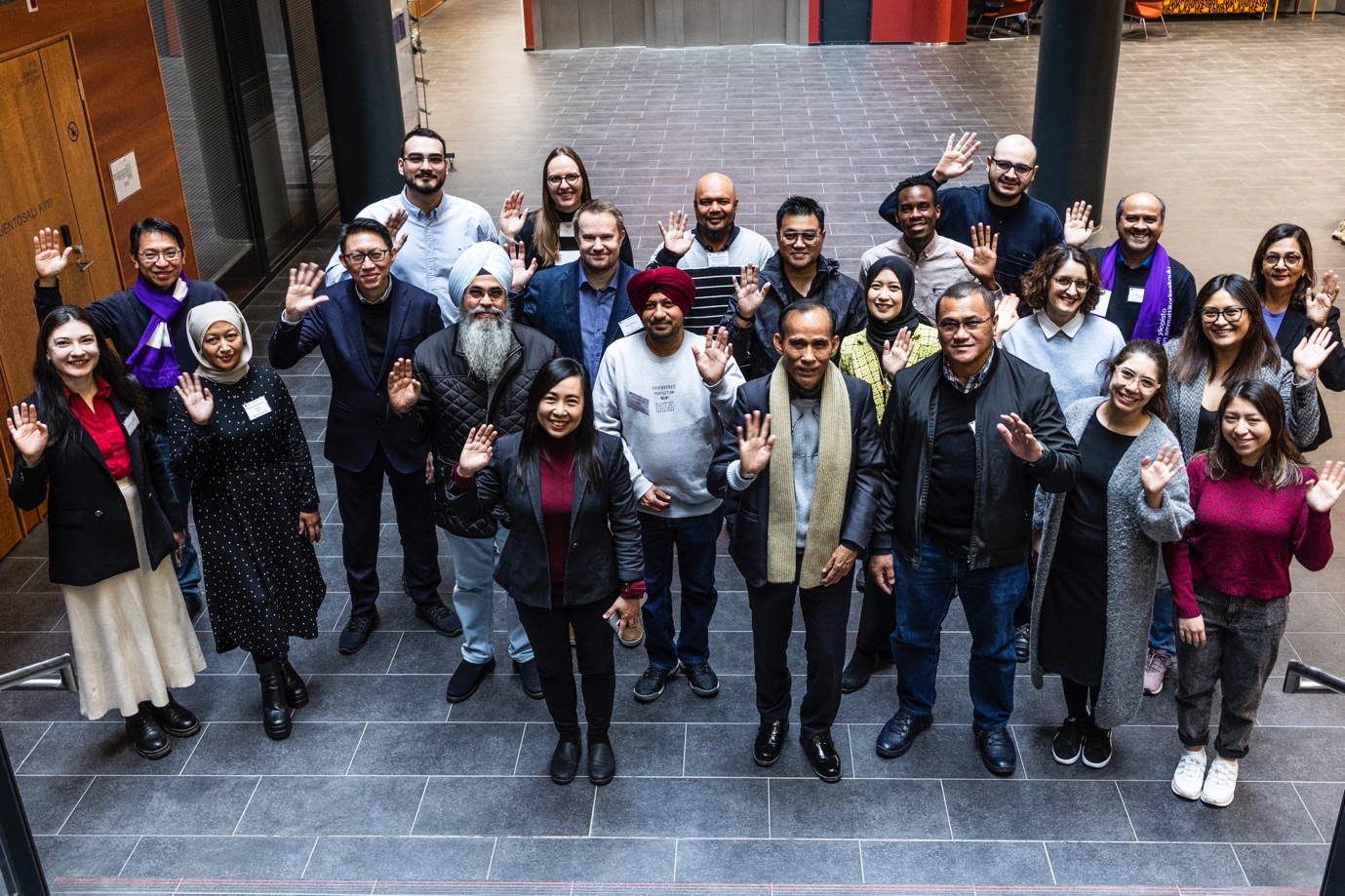
Explored the Science Shop concept, implementation mechanisms, and curriculum integration. Delegates participated in a public library carnival event demonstrating citizen science engagement.
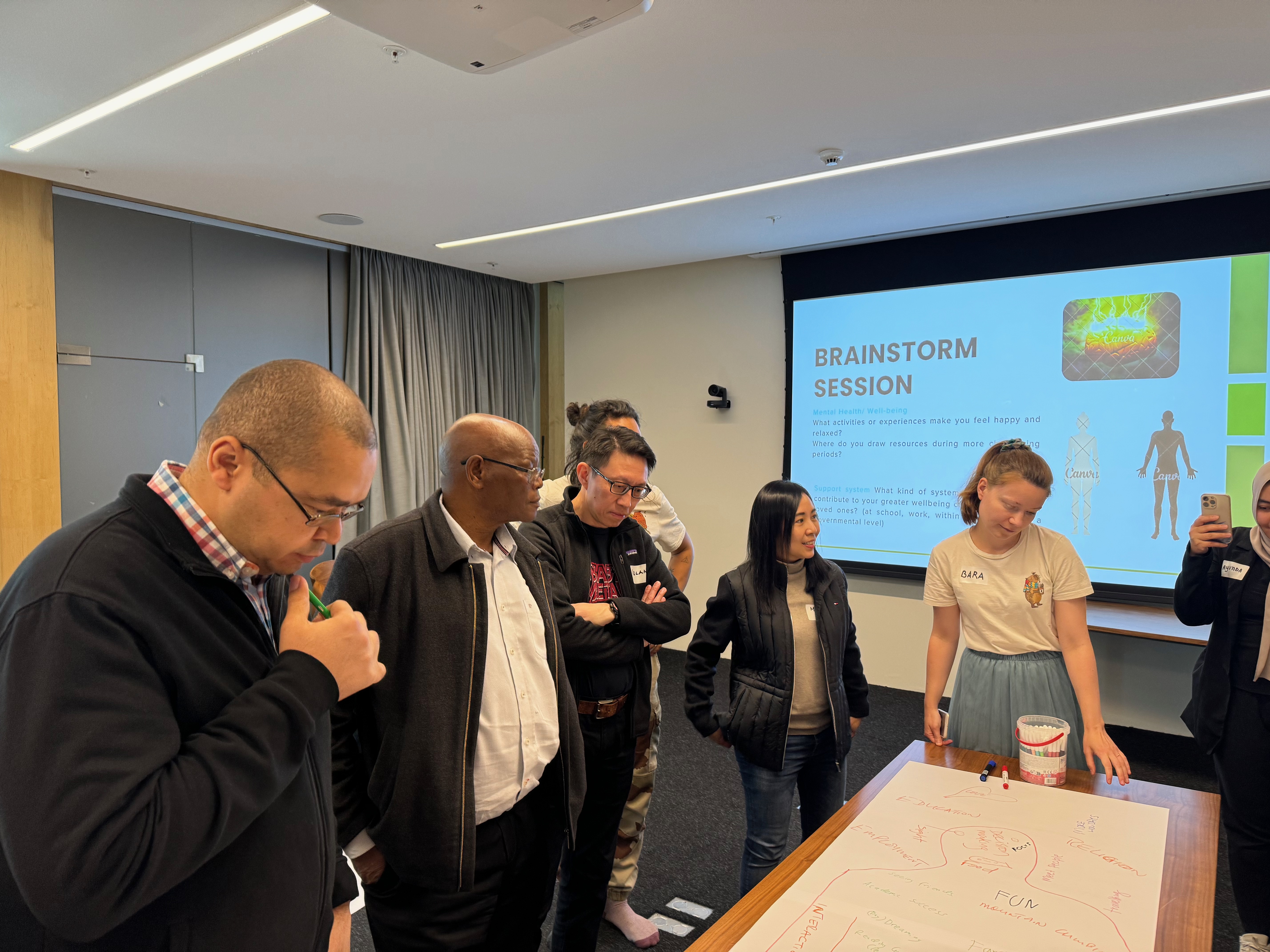
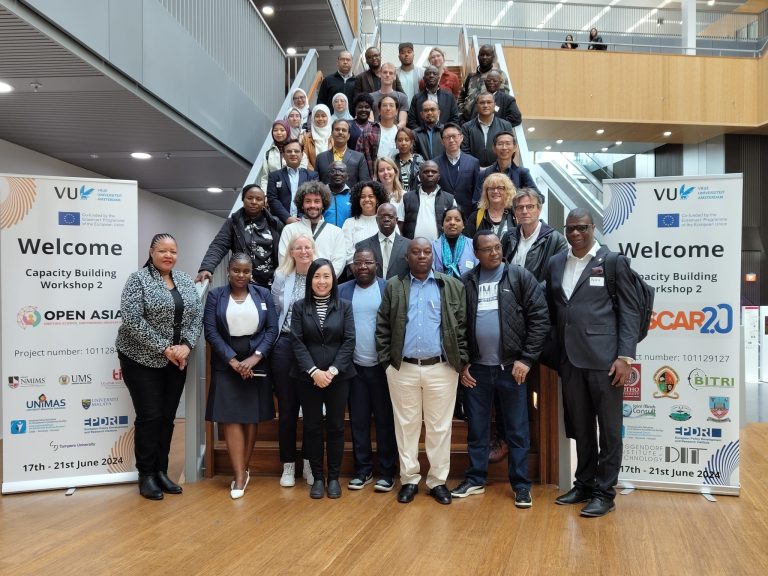
Reviewed work package progress and milestones. OSF2 themed "Unlocking the Power of Knowledge, Empowering Communities" featured panels on Asian OS implementation, European perspectives, and workshops on citizen science, OER, and AI in Open Science.
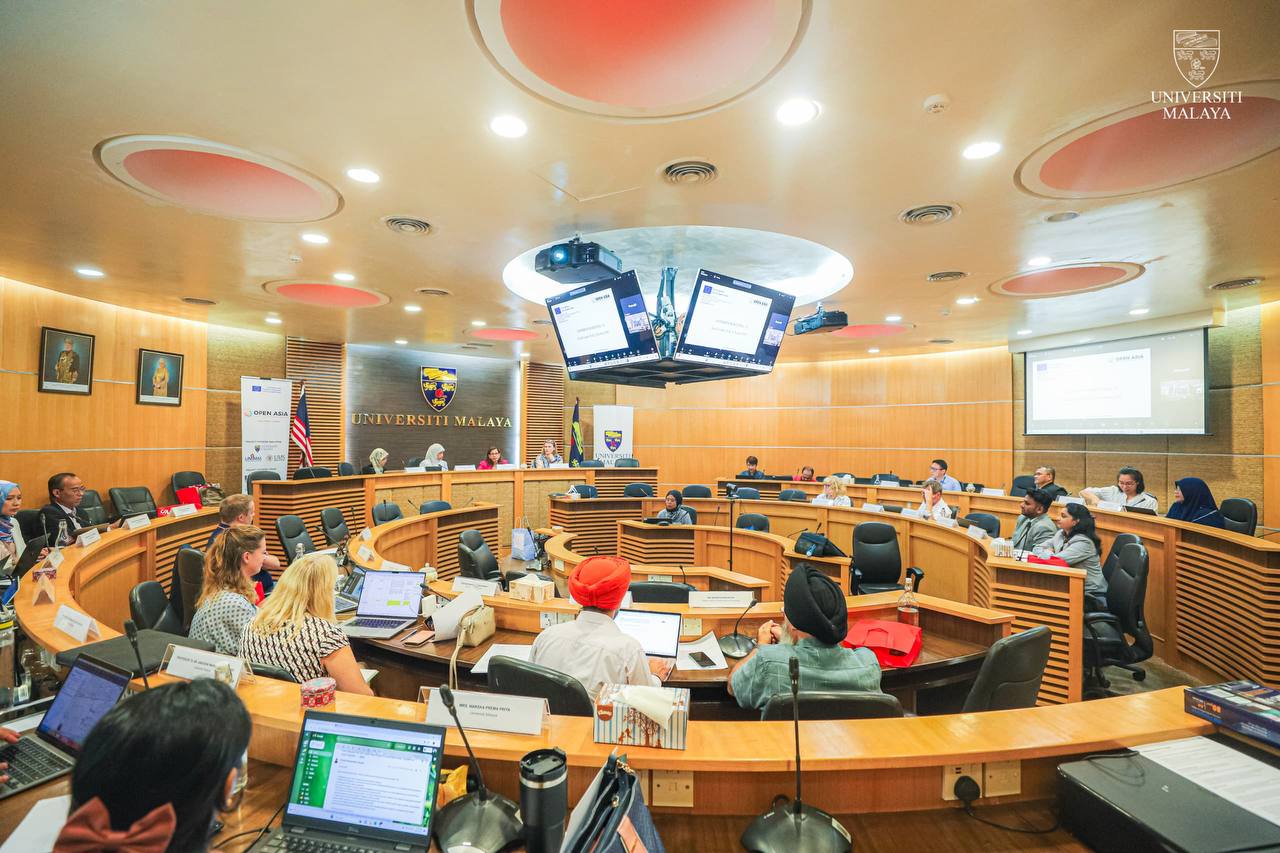
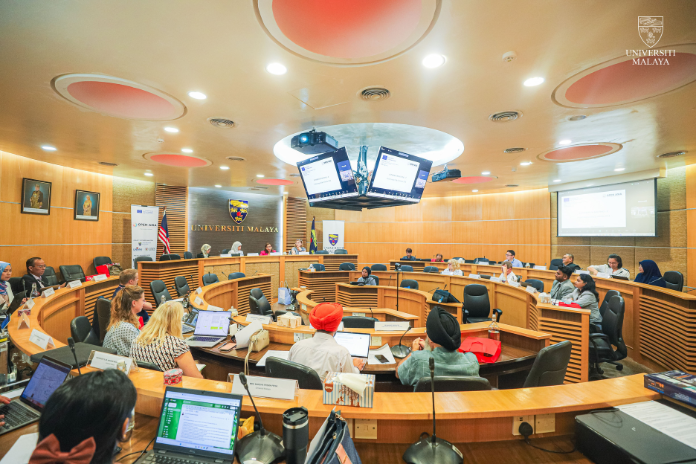
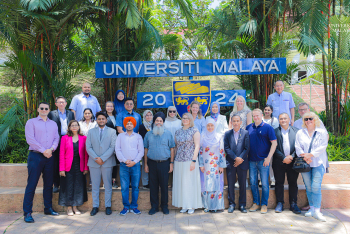

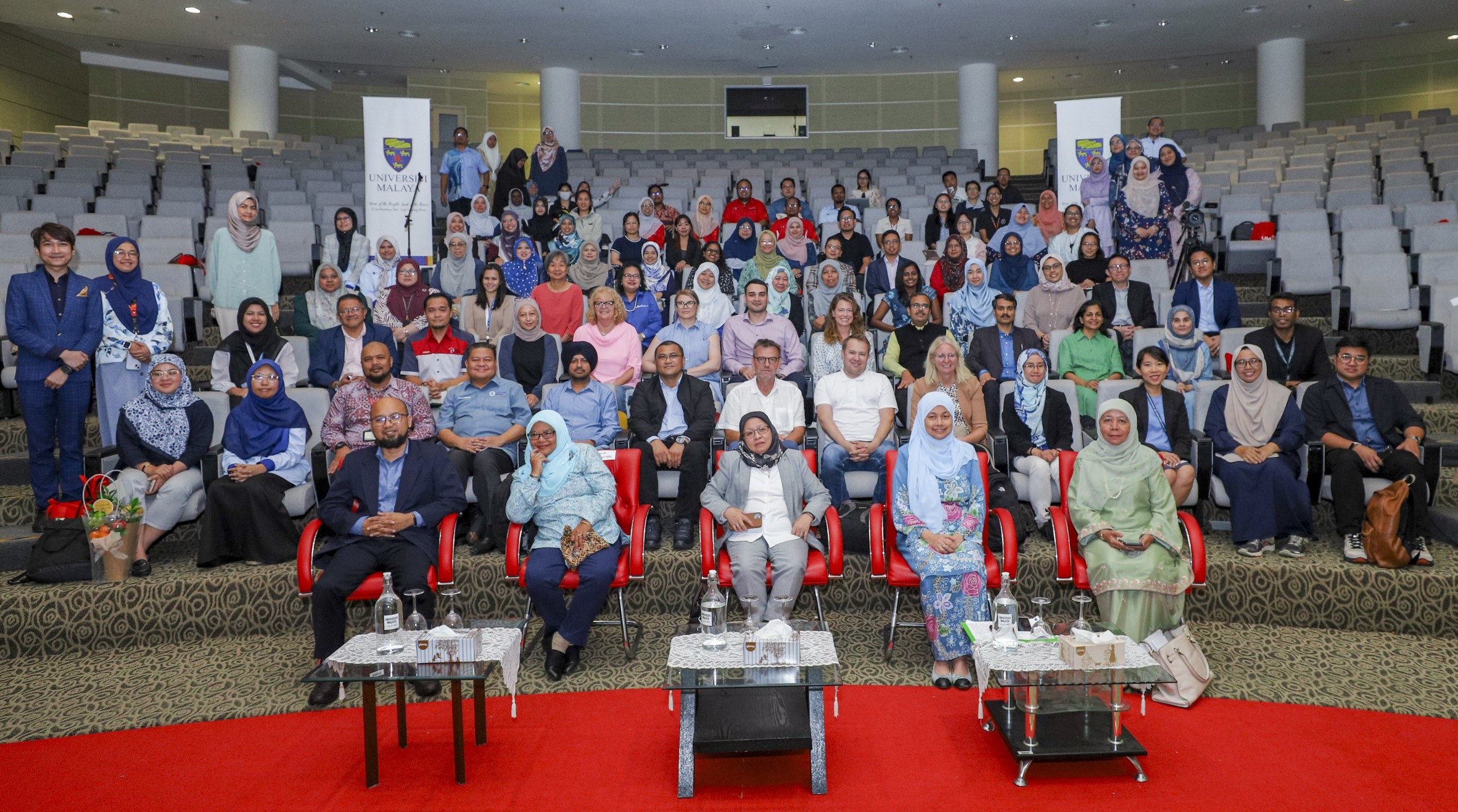
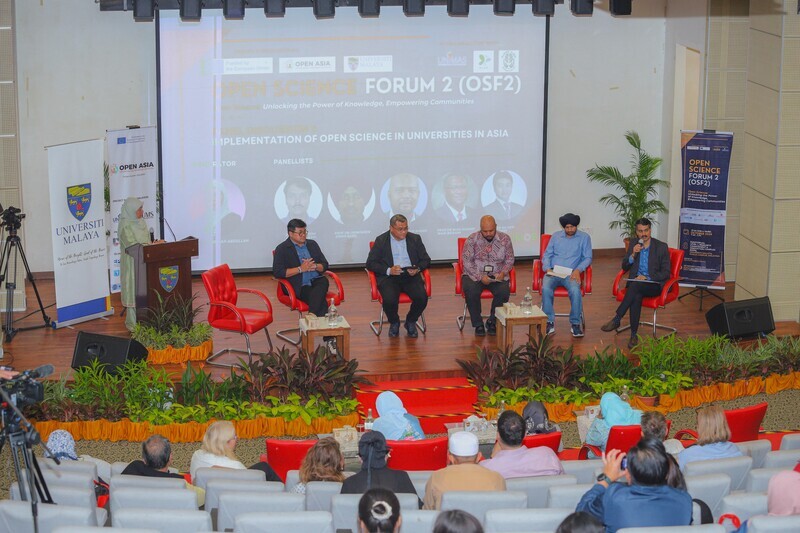
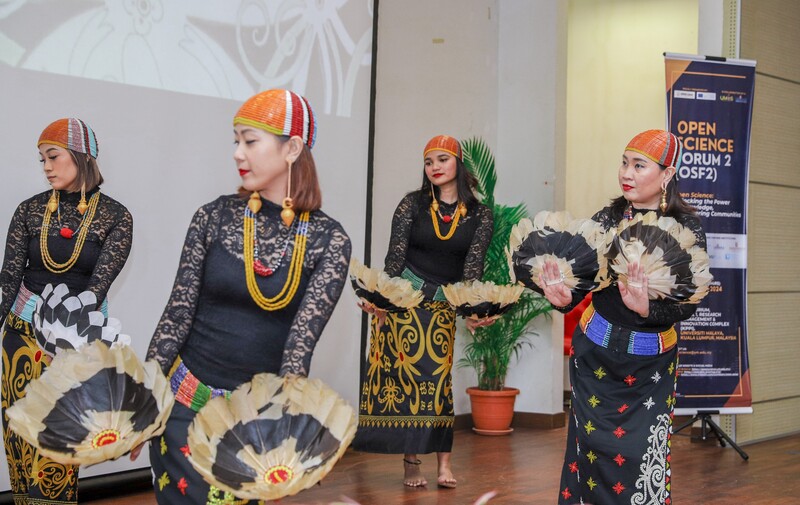
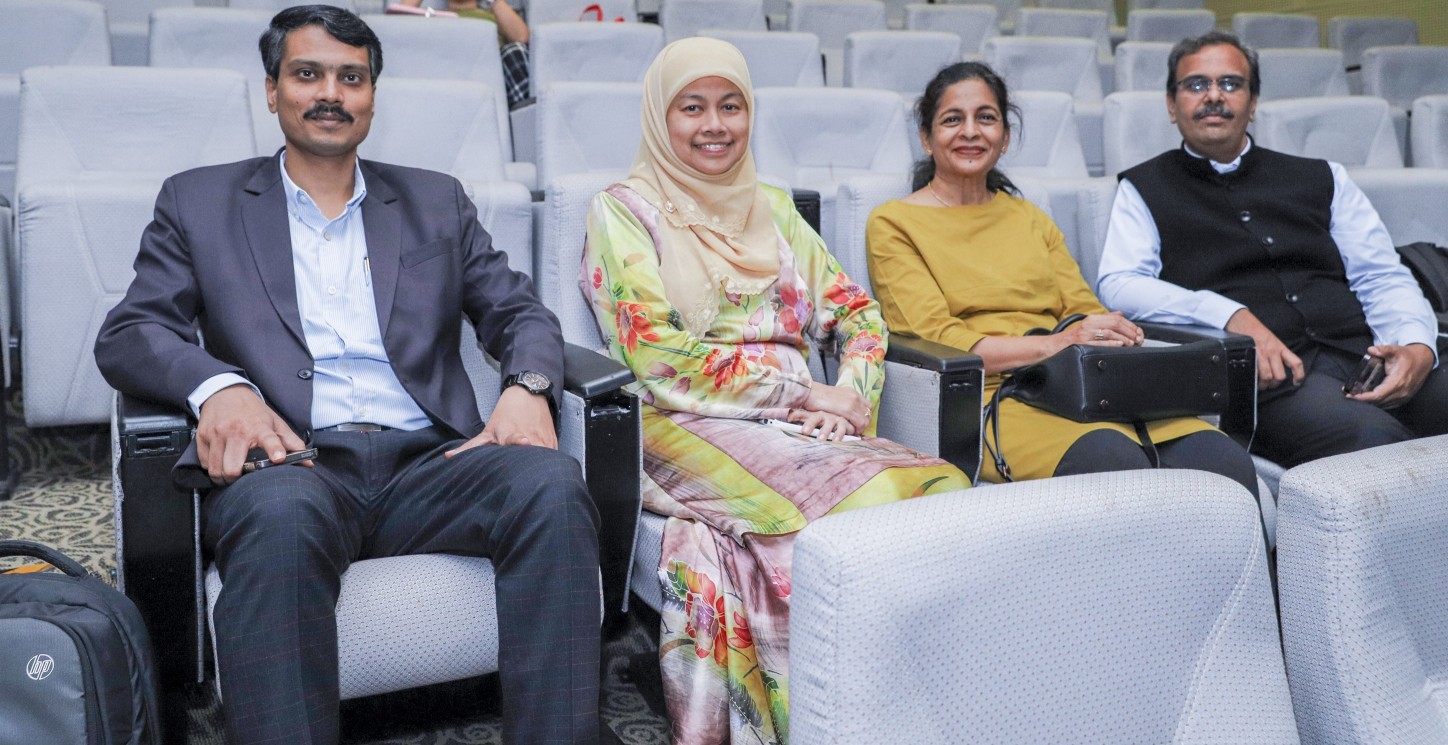
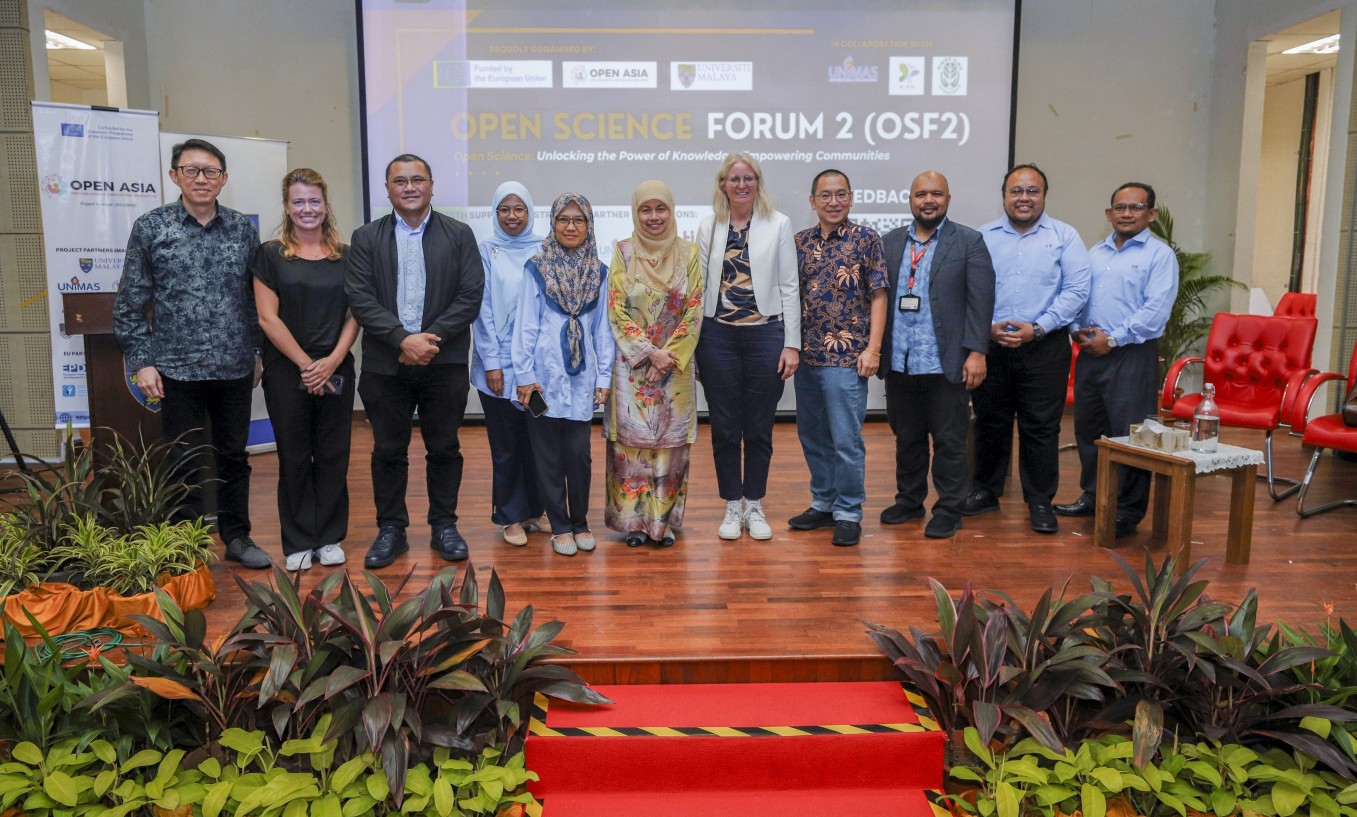
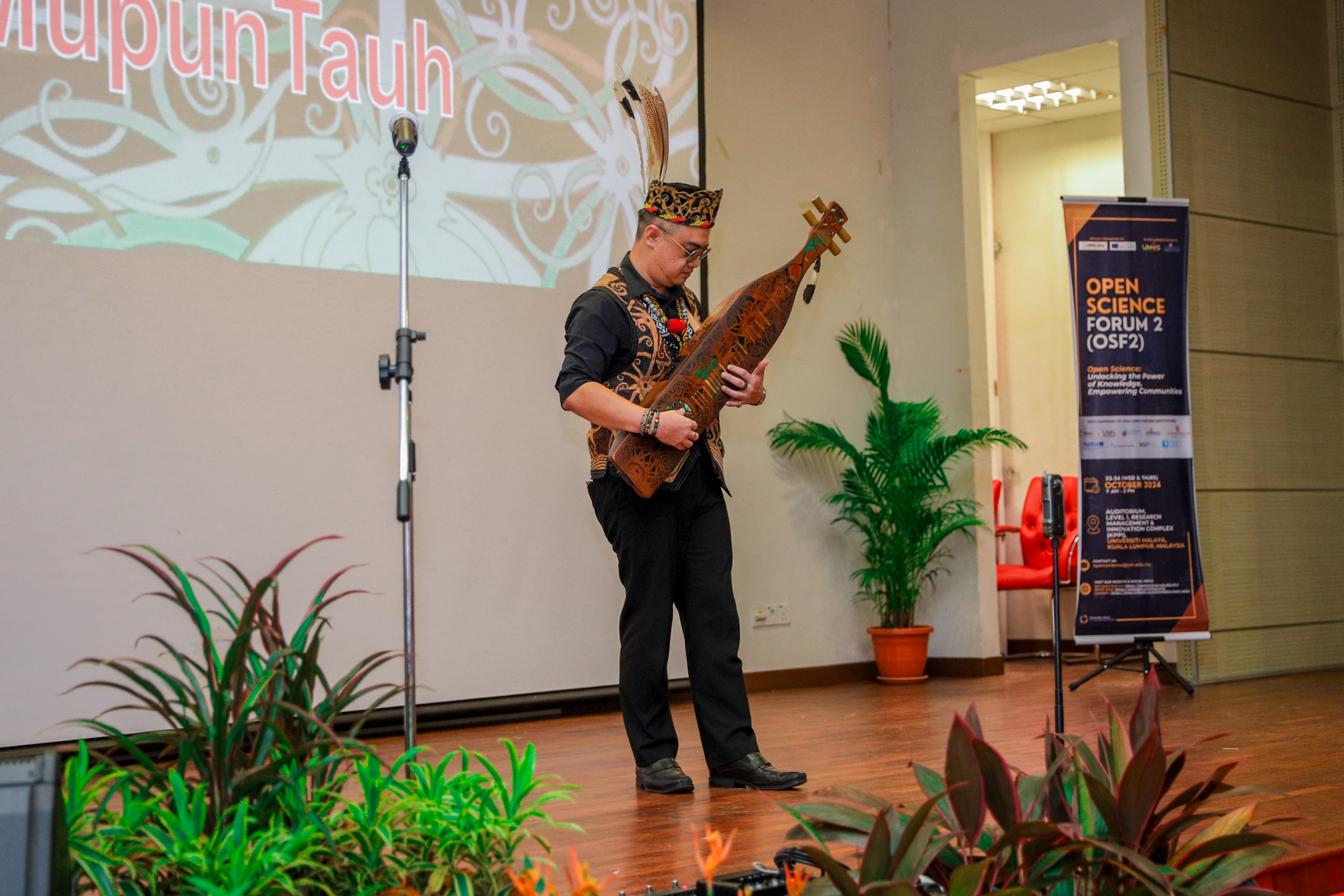
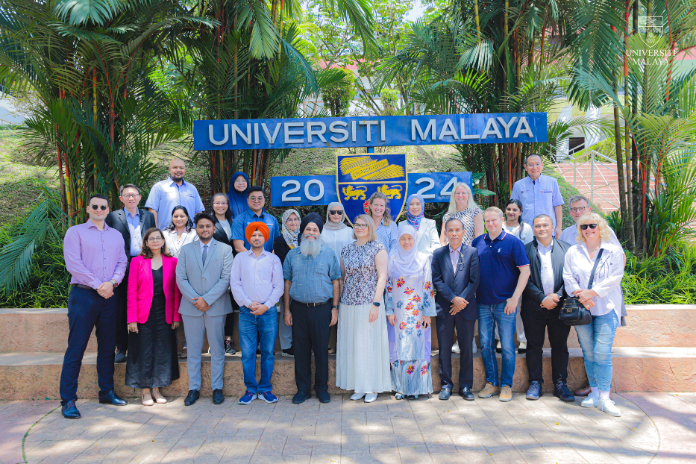
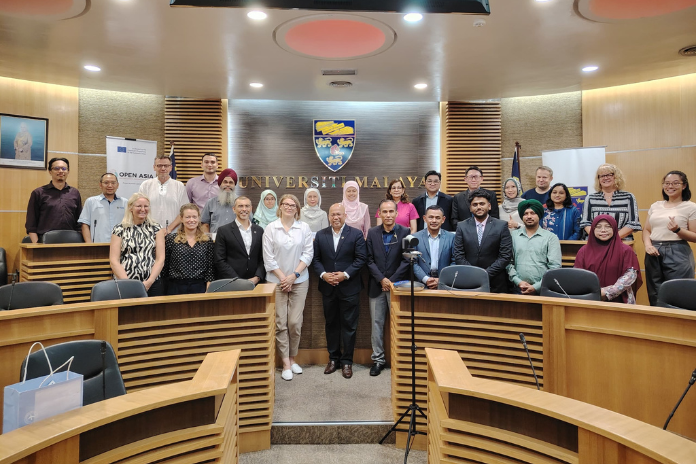
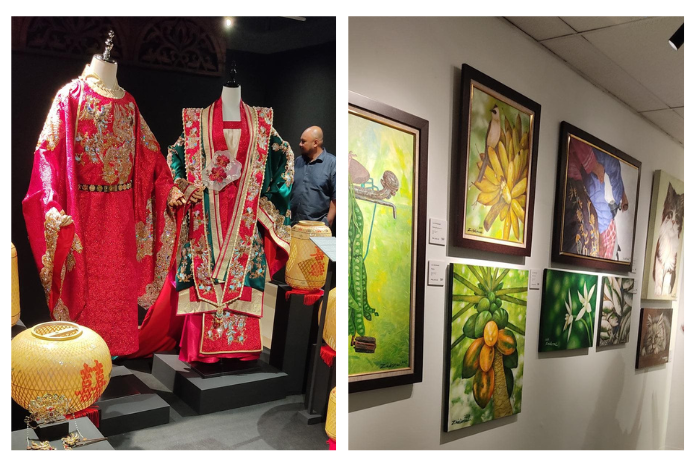
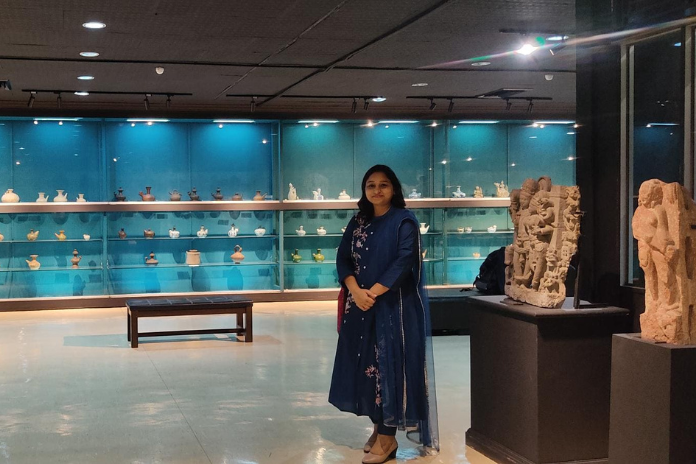
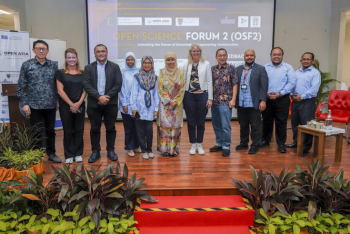
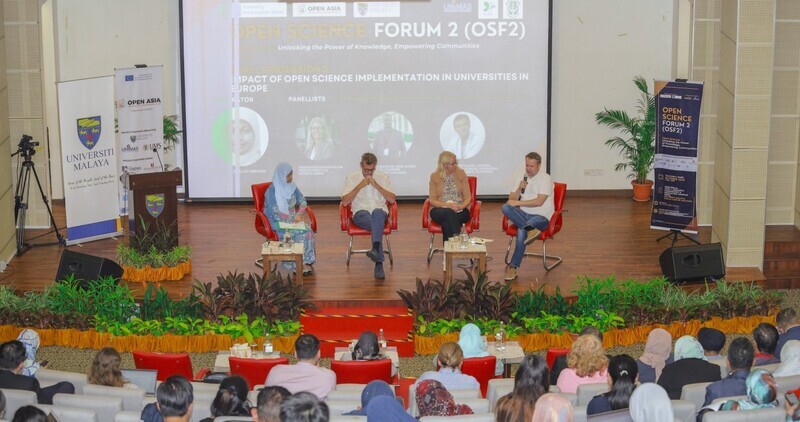
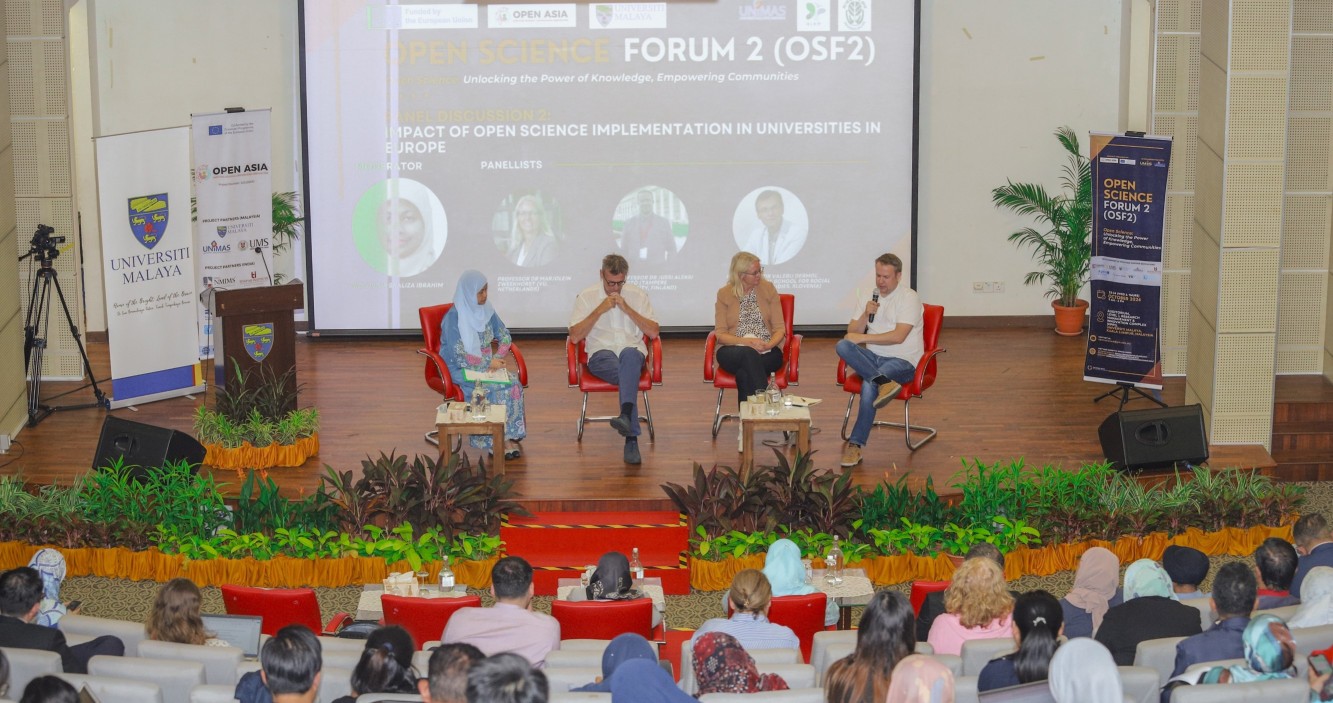
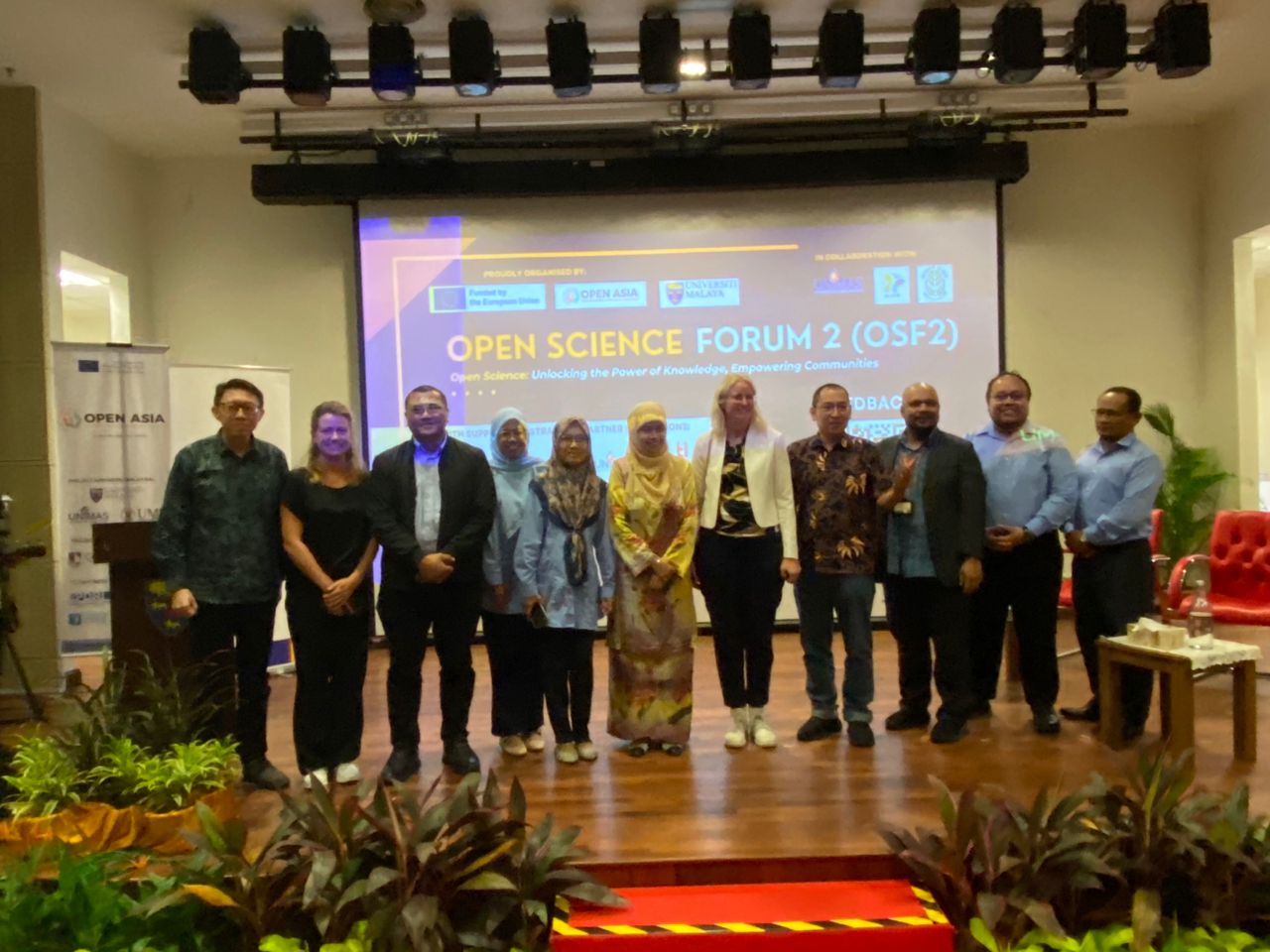

Focused on Open Science infrastructure development, Open Access frameworks, curriculum design, and policy harmonisation across European and Asian contexts.
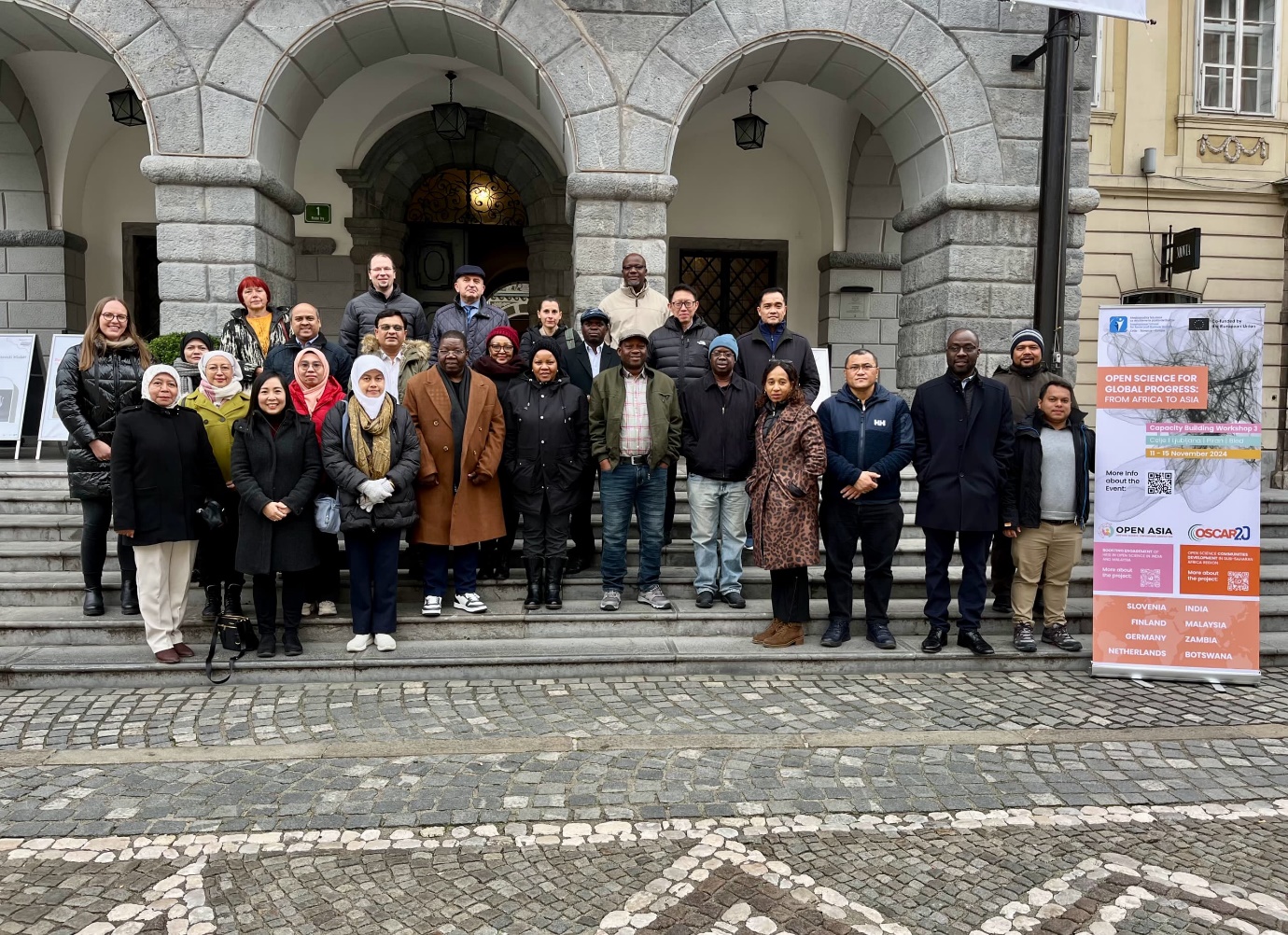
Progress updates and strategy discussions. OSF3 examined the "Open Science Landscape in Asia" with sessions on FAIR data principles, infrastructure gaps, policy harmonisation, and skills gap assessment.
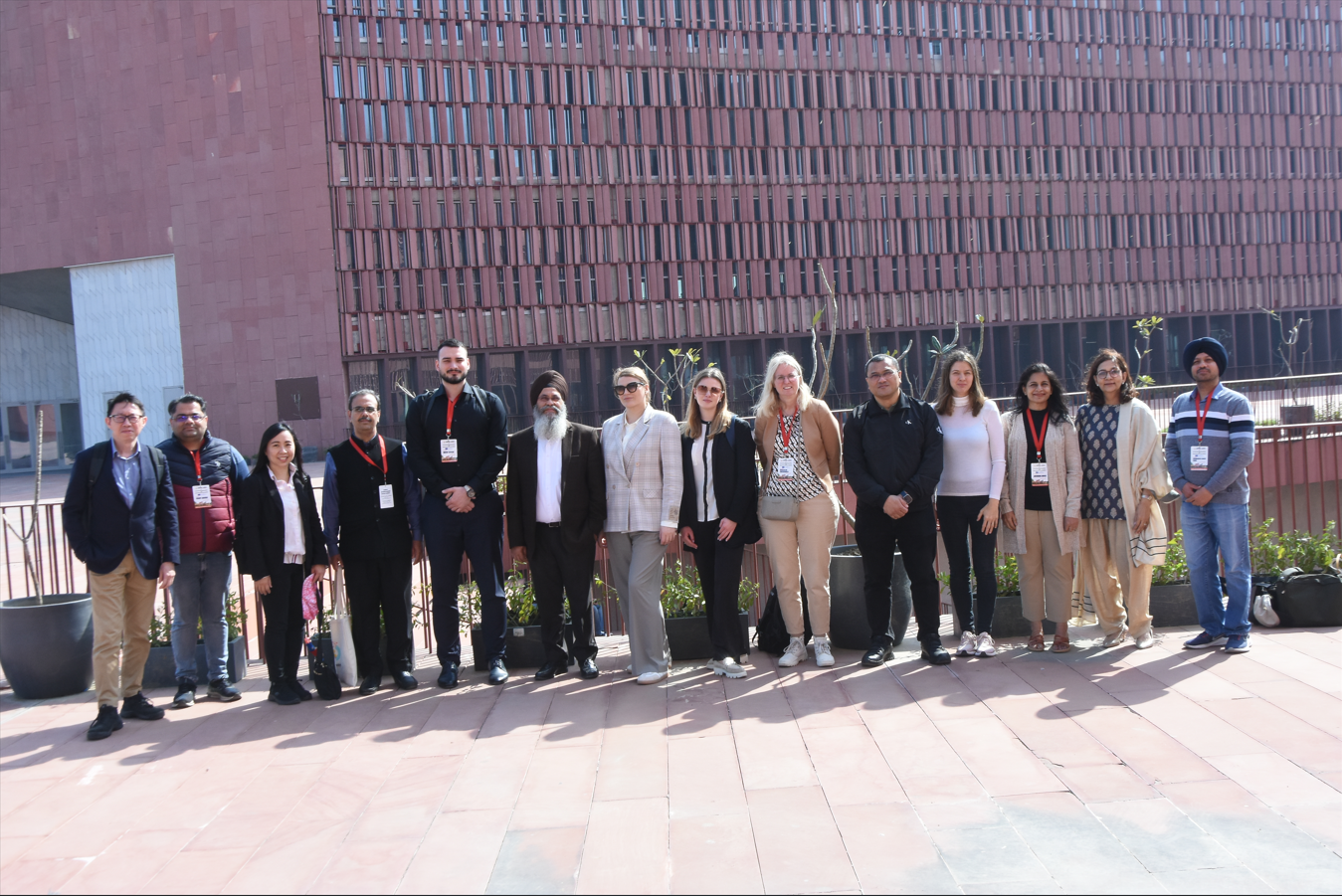
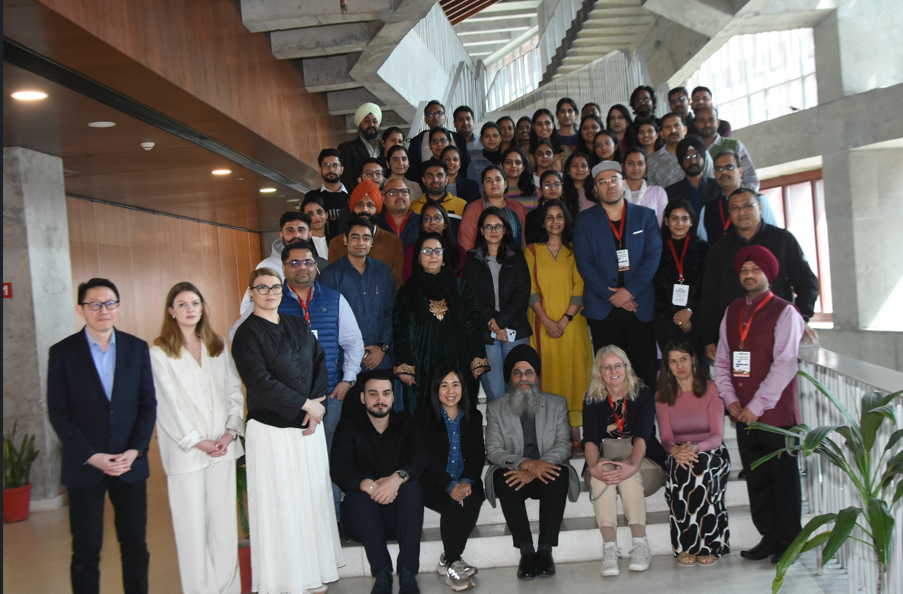
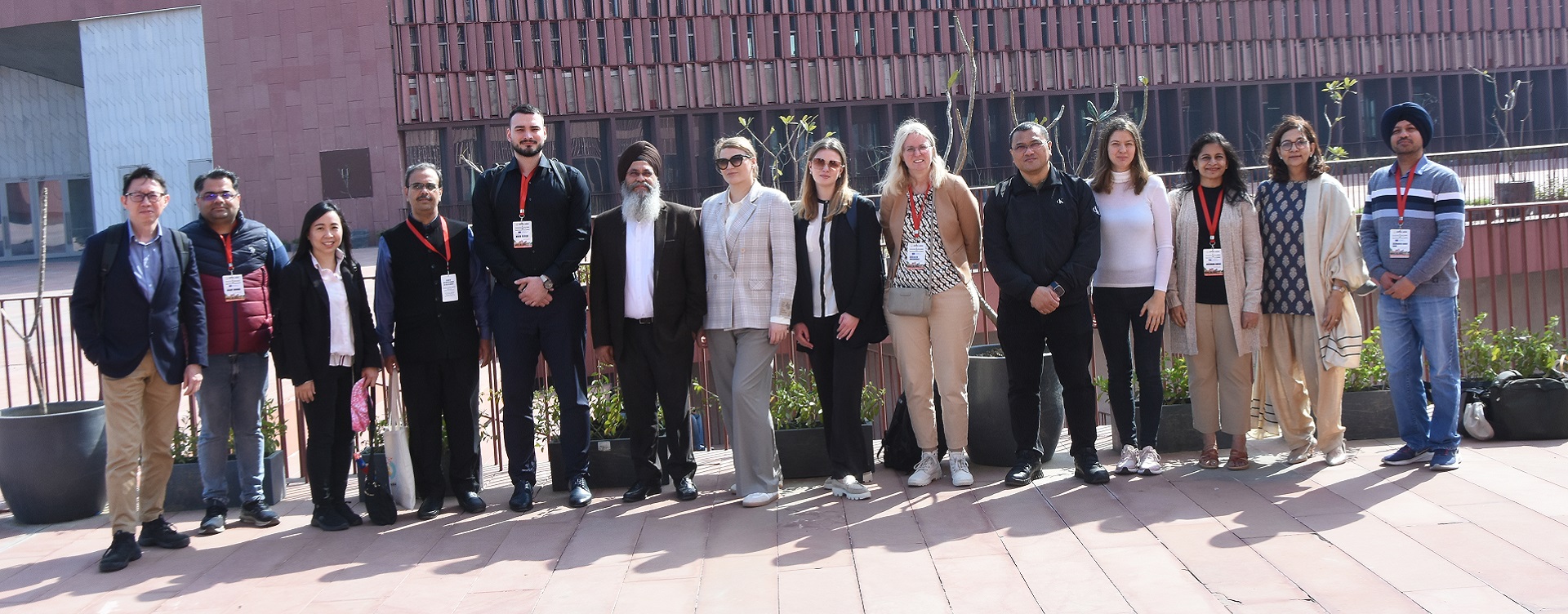
Co-hosted with TCS. Over 100 delegates and 53 peer-reviewed papers on Open Science, data management, and library roles in OS adoption.
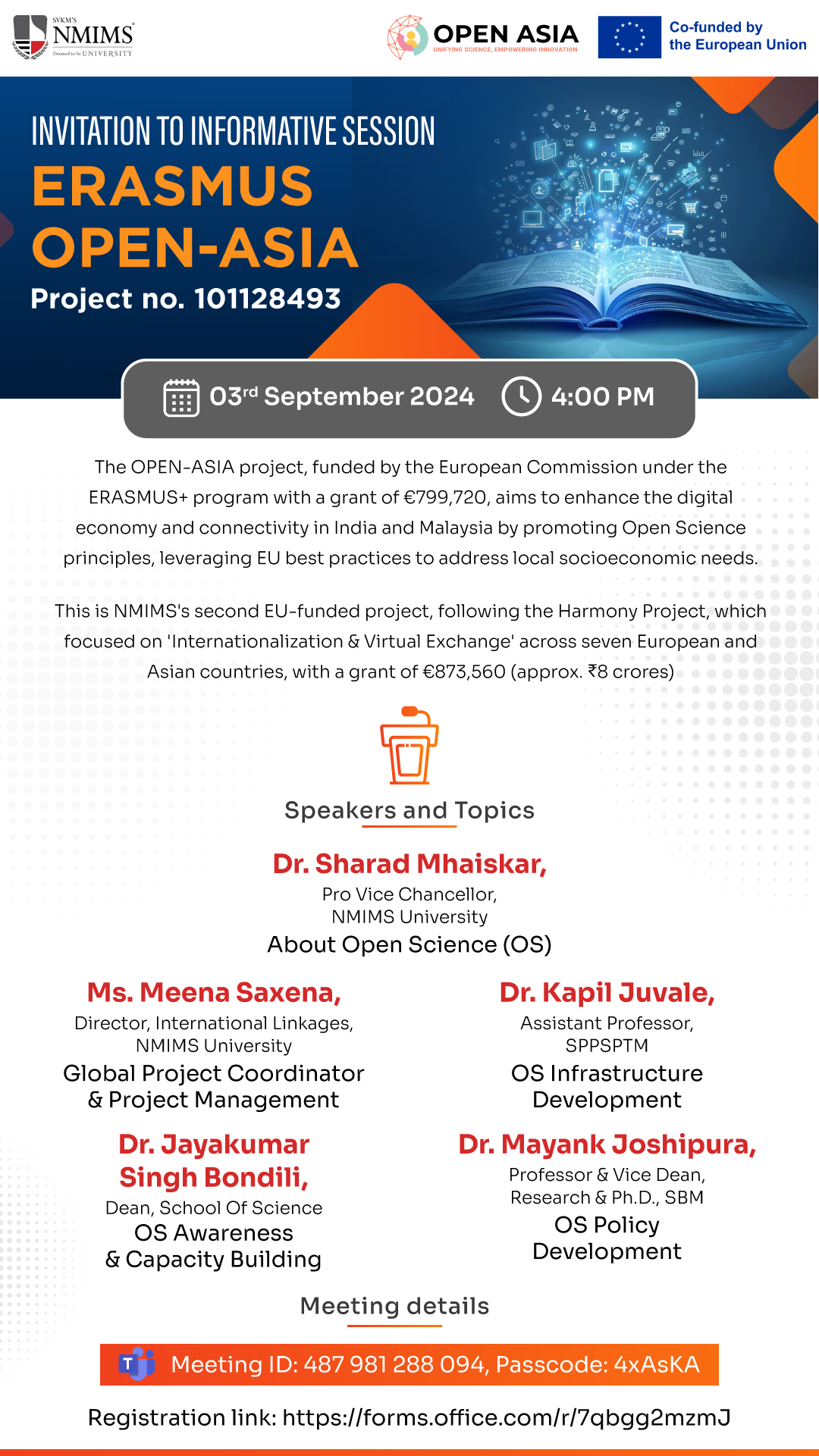
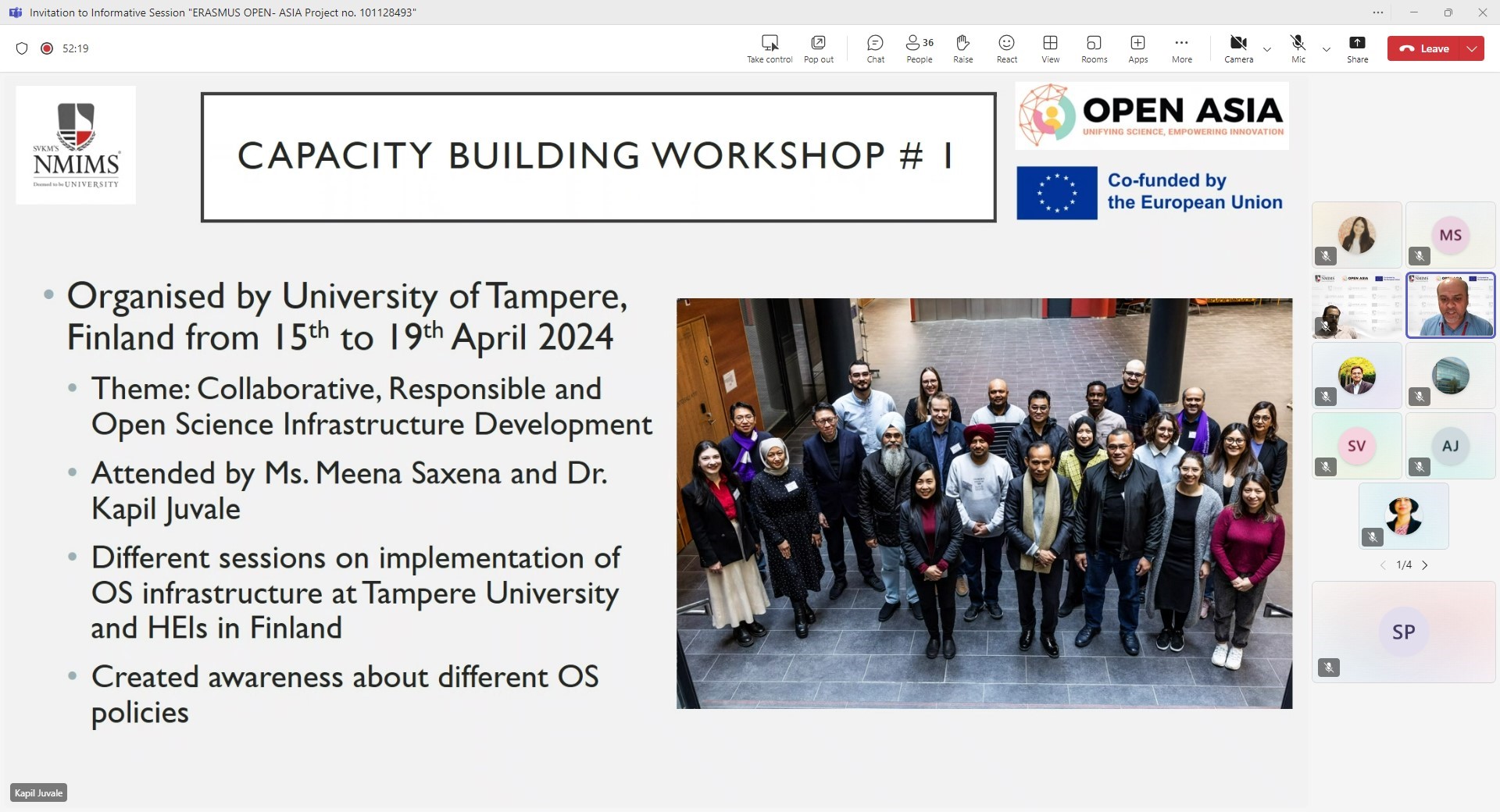
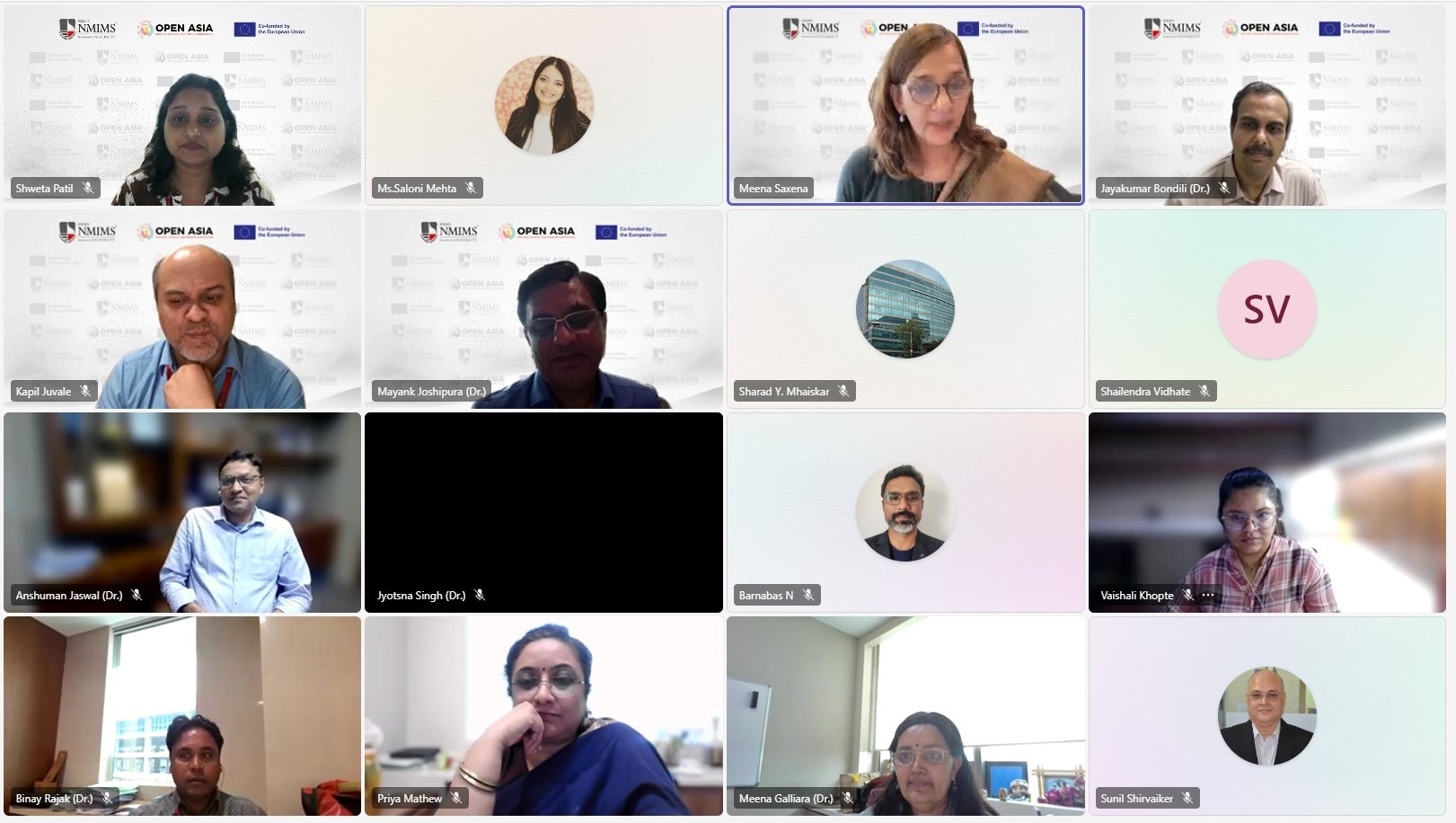
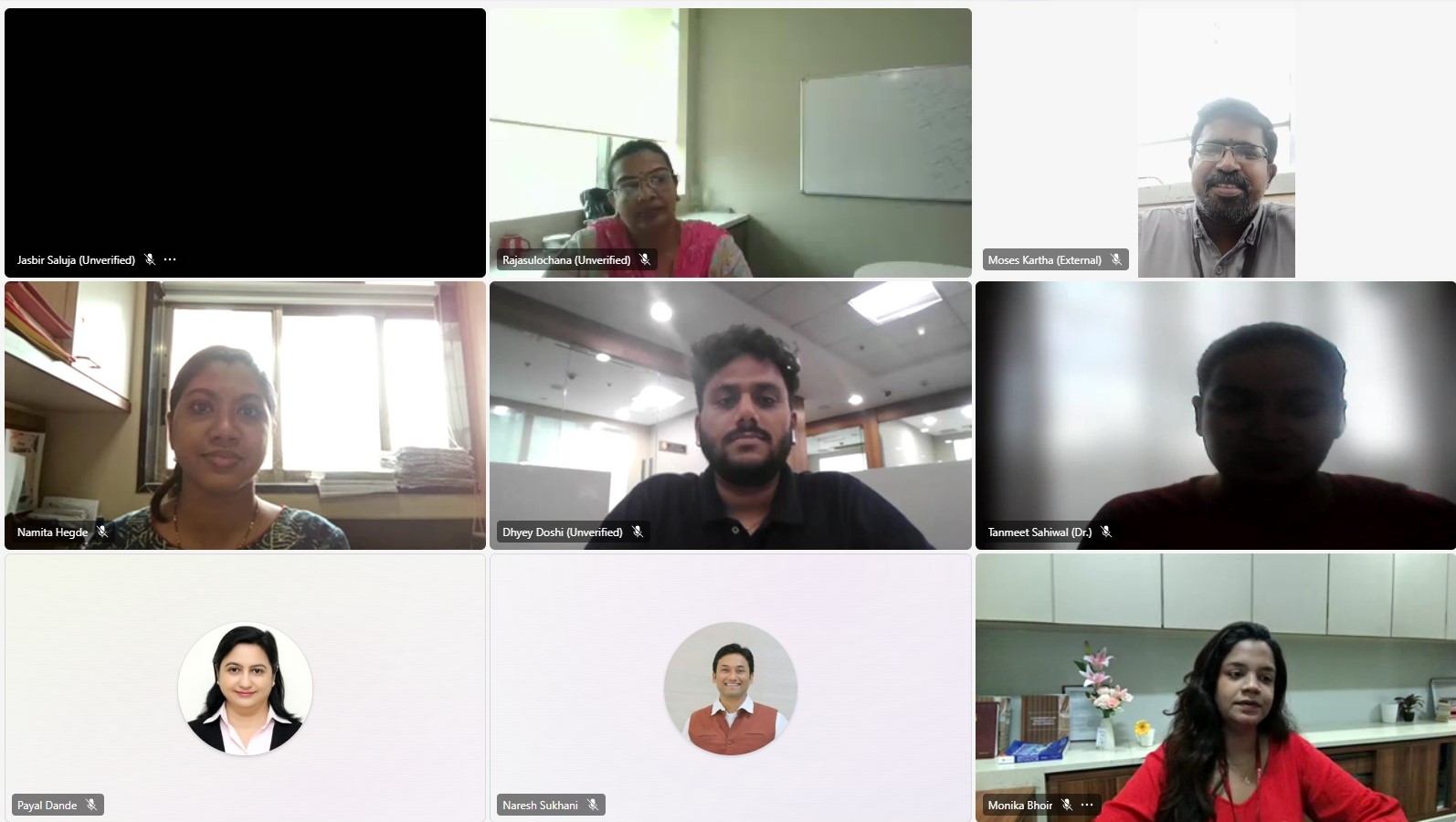
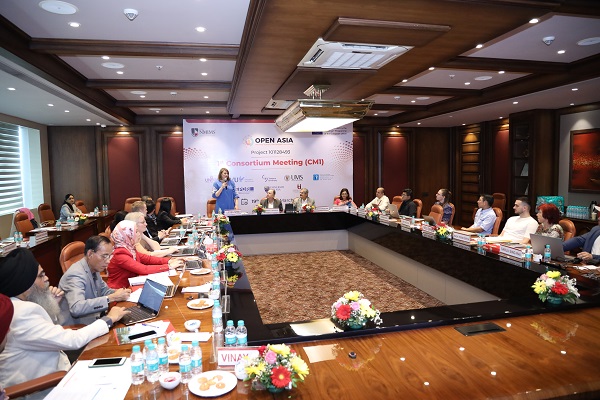
OSF4 themed "Unifying Science, Empowering Innovation." Featured sessions on FAIR-compliant repositories, institutional policy development, and citizen science. Included site visits to U-Science Centre and Institut Marin Borneo (HICoE).
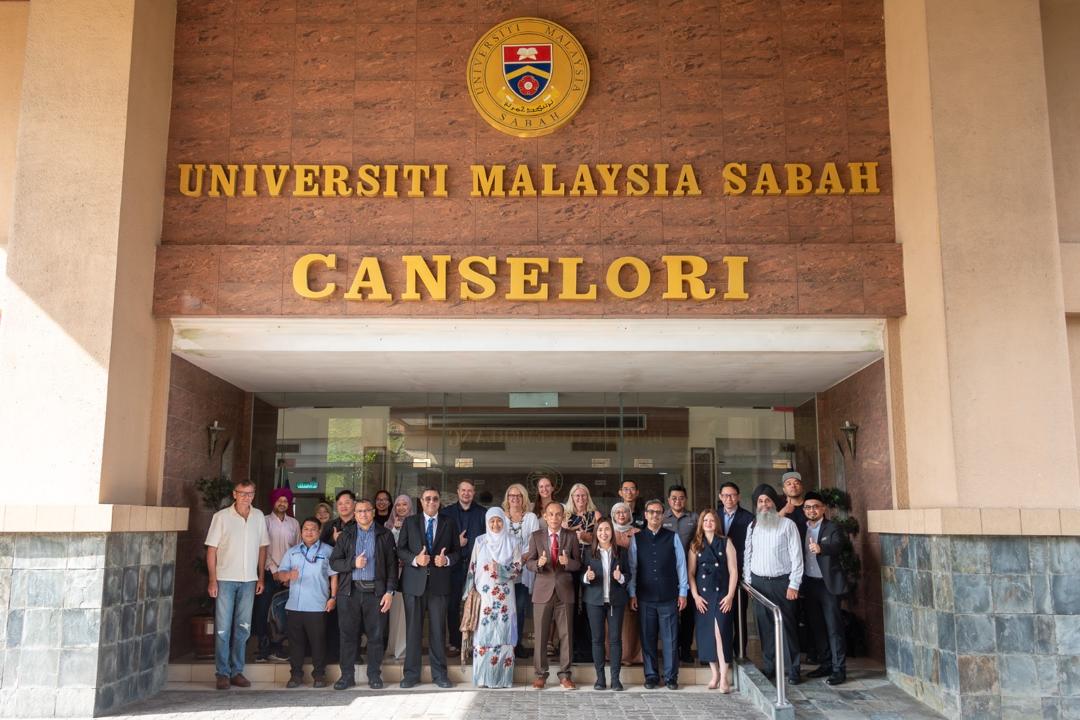
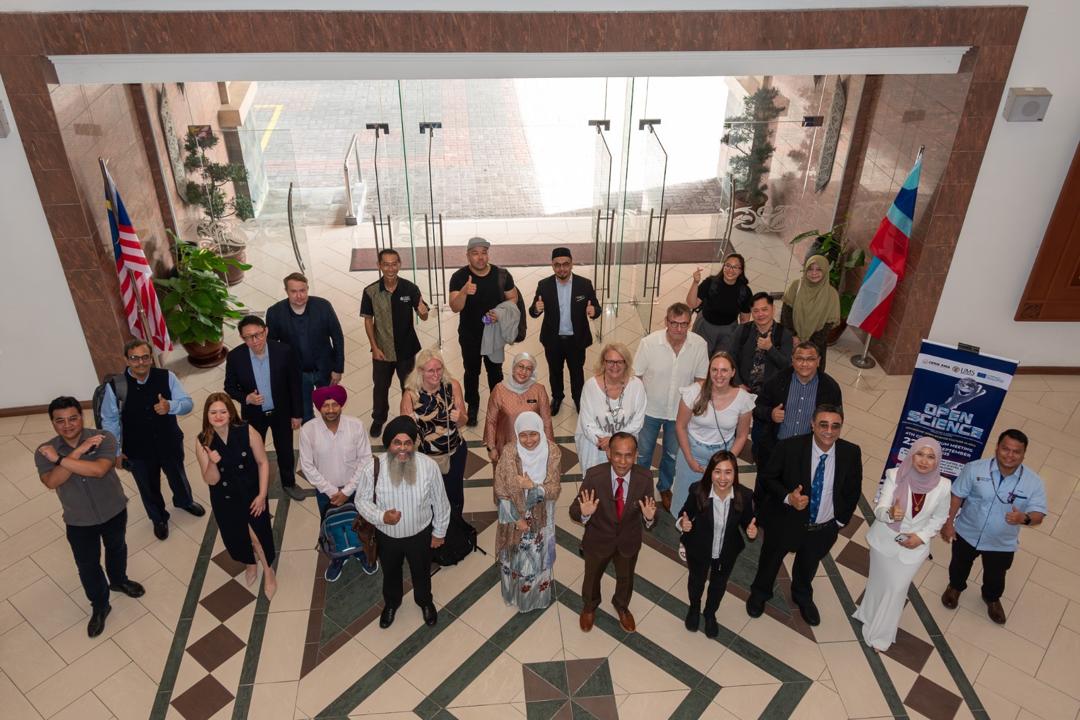
The 5th Consortium Meeting brings the OPEN ASIA partnership to Universiti Malaysia Sarawak for project review, strategy alignment, and institutional site visits.
| Time | Session | Details |
|---|---|---|
| 09:00 – 09:30 | Morning Momentum & Welcoming Remarks | Prof Dr. Wan Hashim Wan Ibrahim (CDO, UNIMAS) Prof Dr. Shaliza Ibrahim (Grant Coordinator, UM) Dr. Olesea Sirbu (Grant Co-ordinator, EPDRI, Slovenia) |
| 09:30 – 10:00 | WP1: Project Management Preparation | Review of Project Progress — NMIMS |
| 10:00 – 10:30 | WP2: Project Management & Quality Control | Review of Project Progress — UM |
| 10:30 – 11:00 | Tea Break | |
| 11:00 – 11:30 | WP3: Boosting Inclusive, Responsible & Collaborative Open Science Ecosystem | Review of Project Progress — UM |
| 11:30 – 12:00 | WP4: Advancing University Open Science Infrastructure & Practices | Review of Project Progress — TIET |
| 12:00 – 13:00 | Lunch Break (Organised by UNIMAS) | |
| 13:00 – 15:30 | UNIMAS Campus Tour | Perpustakaan Tun Abdul Rahman Ya'kub Gallery at the Faculty of Applied & Creative Arts Anatomy Lab at the Faculty of Medicine & Health Sciences |
| 15:30 – 17:30 | Sunset Sarawak River Cruise | 1.5-hour cruise with panoramic views of the Kuching skyline and historical landmarks |
| 19:00 – 21:00 | Welcoming Dinner | Hosted by UNIMAS |
| Time | Session | Details |
|---|---|---|
| 09:00 – 09:15 | Morning Momentum & Welcoming Remarks | |
| 09:15 – 09:45 | Financial Management Updates | Work Packages (WP1–WP7) and other arising matters |
| 09:45 – 10:15 | WP5: Reforming University Open Science Regulatory Framework | Review of Project Progress — UNIMAS |
| 10:15 – 10:45 | WP6: Fostering Public Engagement & Participatory Mechanisms in Science | Review of Project Progress — UMS |
| 10:45 – 11:15 | WP7: Dissemination, Exploitation & Impact Maximisation | Review of Project Progress — UM |
| 11:15 – 12:00 | Financial Management Updates (cont.) | Work Packages (WP1–WP7) and other arising matters |
| 12:00 – 13:00 | Lunch Break (Organised by UNIMAS) | |
| 13:00 – 16:00 | Community Engagement — Borneo Cultures Museum | Welcoming Speech by Mdm Anielia Anak Siam (Director, Sarawak Museum Department) Interactive experience showcasing Sarawak's rich heritage and indigenous traditions, highlighting the intersection of open science, cultural preservation, and community knowledge |
The UNIMAS Open Science Conference brings together researchers, policymakers, librarians, and practitioners to advance Open Science across Asia and beyond.
Dates: 21–22 October 2026
Venue: Hilton Kuching, Sarawak
Theme: “From Data to Impact: Enriching Global Communities”
Visit Conference Site →| Time | Session | Speaker / Facilitator |
|---|---|---|
| 08:00 – 08:30 | Registration | |
| 08:30 – 11:00 | Opening Ceremony Welcoming Remarks by the Vice-Chancellor of UNIMASOfficial Remarks & Keynote Address by Datu Hii Chang Kee, Deputy State Secretary (Operation)Exchange of Memoranda of Collaboration & Cultural Dance |
YBhg Prof Dr Ahmad Hata Bin Rasit Datu Hii Chang Kee |
| 11:00 – 11:30 | Coffee Break | |
| 11:30 – 12:00 | Keynote: Bridging the Knowledge — Open Science, Indigenous Wisdom, and Museum Curation | Mdm. Anelia Anak Siam Director, Sarawak Museum Department |
| 12:00 – 12:30 | Accelerating the Malaysia Open Science Platform (MOSP): Strategies for Local Researchers | Prof Dr. Noorsaadah Abd. Rahman FASc Academy of Sciences Malaysia |
| 12:30 – 14:00 | Lunch & Networking | |
| 14:00 – 14:30 | Sarawak Data Governance Framework (SDGF): Enabling Sarawak Digital Future | Zaliha binti Mohamad Ali Sarawak Multimedia Authority |
| 14:30 – 15:00 | Rethinking Research Assessment: Harnessing the Synergies between Impact and Open Science | Prof Ir. Dr. Shaliza Ibrahim Universiti Malaya |
| 15:00 – 15:30 | Empowering the Public: The Growing Role of Citizen Science | Prof Dr. Marjolein Zweekhorst & Dr. Sarju Sing Rai VU Amsterdam, Netherlands |
| 15:30 – 16:00 | Advancements in Data Management: Technological Perspectives from Indian Institutions | Prof Dr. Maninder Singh TIET, India |
| 16:00 – 16:30 | Citizen Science in Action: Collaborative Community Methodologies in Malaysia | Prof Ir. Dr. Rosalam Sarbatly Universiti Malaysia Sabah |
| 16:30 | End of Day 1 | |
| Time | Session | Speaker / Facilitator |
|---|---|---|
| 08:00 – 09:00 | Registration | |
| 09:00 – 09:30 | Universal Accessibility: Successful Open Science Models from Finland | Dr. Erika Lilja Tampere University, Finland |
| 09:30 – 10:00 | Strengthening Trust: Open Scientific Research and Research Integrity | Prof Dr. Nada Trunk Širca & Assoc Prof Dr. Aleš Trunk ISSBS, University of Primorska, Slovenia |
| 10:00 – 10:30 | Digital Tools and Infrastructure: The Role of AI in Open Science | Prof Dr. Liew Chee Sun Sunway University, Malaysia |
| 10:30 – 11:00 | Coffee Break | |
| 11:00 – 11:30 | Bridging the Gap: Open Science Interoperability and FAIR Data in India | Prof Dr. Jayakumar Singh Bondili NMIMS, India |
| 11:30 – 12:00 | Citizen Science 1: From Public Data to Societal Impact — Community-Driven Science | Dr. Jongkar Grinang & Mr Kelvin Egay John Universiti Malaysia Sarawak |
| 12:00 – 13:00 | Lunch | |
| 13:00 – 14:00 | Panel Discussion: Unifying Science Across Borders — Navigating the Global Implementation of FAIR Data Standards Moderator: Assoc Prof Dr. Abang Azlan Mohamad (UNIMAS) |
Prof Ir. Dr Shaliza Ibrahim (UM) Prof Dr. Marjolein Zweekhorst (VU Amsterdam) Prof Dr. Maninder Singh (TIET) Prof Dr Nada Trunk Širca (Slovenia) Prof Dr. Jayakumar Singh Bondili (NMIMS) Dr Erika Lilja (Tampere) |
| 14:00 – 14:30 | Citizen Science 2: AI in Bornean Biodiversity (AiBOB) — AI Modelling and Data Analytics | Prof Datin Dr Ramlah Zainuddin Universiti Malaysia Sarawak |
| 14:30 – 15:00 | Localising Open Science: Sarawak's Push for Digital Innovation and Excellence | Prof Dr. Wan Hashim Wan Ibrahim Universiti Malaysia Sarawak |
| 15:00 | Coffee Break / End of Conference | |